Luke 1:26-28 (WEB)
Now in the sixth month, the angel Gabriel was sent from God to a city of Galilee named Nazareth, to a virgin pledged to be married to a man whose name was Joseph, of David’s house. The virgin’s name was Mary. Having come in, the angel said to her, “Rejoice, you highly favored one! The Lord is with you. Blessed are you among women!”
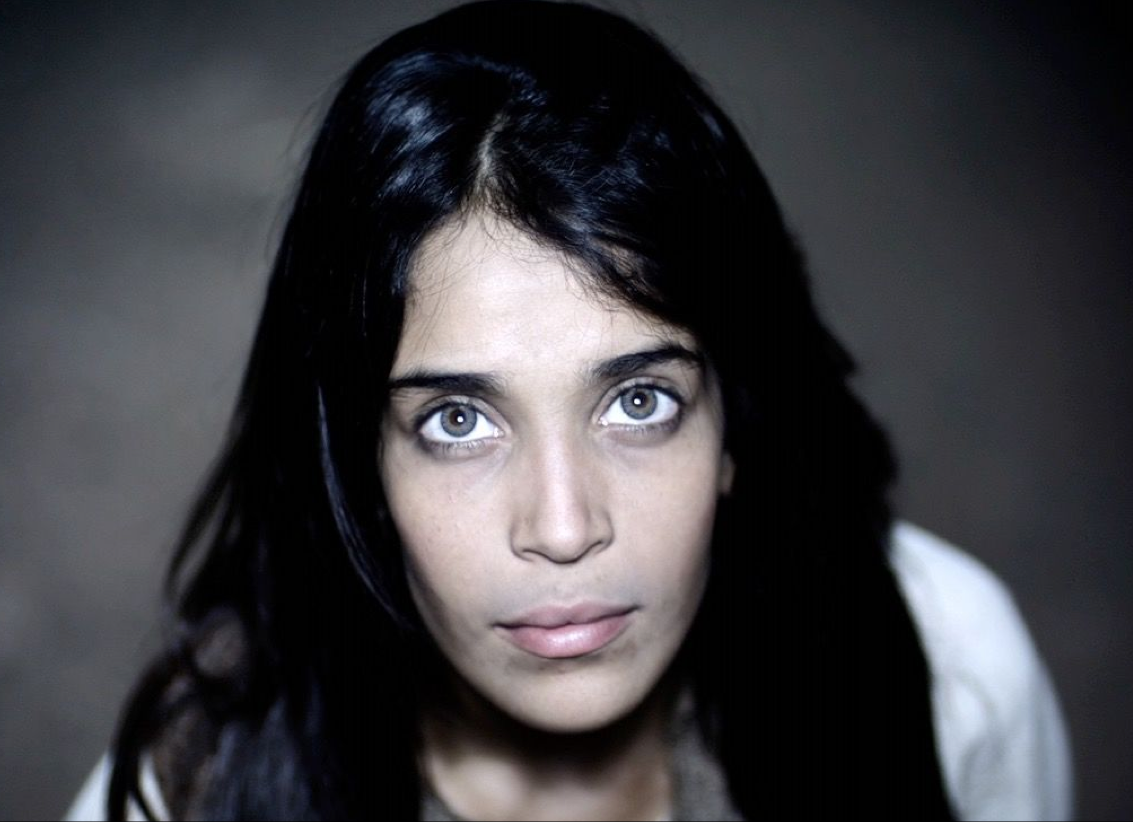
The angel, Gabriel, was kept pretty busy during the time of Christ’s coming. In today’s passage, we see him making a visit to a Galilean village named Nazareth. His current mission was to deliver a very special message to a young lady named Mary. Now, Mary was a very common name at this time in Israel. Actually, in Hebrew it was most likely Miriam. Which could explain why it was such a popular name. You see, Miriam was the name of Moses’ sister in the story of the Jewish exodus from Egypt. She is the one who watched over her baby brother while he was hidden in a little basket amongst the reeds along the Nile River. One day that baby brother grew up to be a part of God’s plan to deliver the people of Israel from their slavery in Egypt. During Mary’s lifetime, the story of the Israelite exodus from Egypt would have resonated strongly with her people, who struggled under the harsh burdens of Roman rule.
According to scholars, the name Miriam means “rebellious” or “bitterness”. And surely, both the Israelites in Egyptian slavery and the Israelites under Roman rule could identify with both emotions. Several times the Jewish people did indeed rebel and try to break free from their Roman oppressors. Their desire for a deliverer was just as strong in Mary’s day as it had been years ago under Egyptian slavery.
Perhaps this explains why so many did not recognize the kind of deliverer God actually sent them. Their attention was naturally focused on earthly kingdoms and problems. But God saw their need for a far greater deliverance. They needed a spiritual deliverance from their bondage to sin.
You see, all of humanity had contracted a debt they could never fully pay. For when sin entered our world with Adam and Eve’s first rebellious act against God’s law, death also entered our world. The penalty owed for sin is much greater than we may understand. It is death – both of our physical bodies one day, but also a spiritual death and darkening of our souls. It’s a death that is expressed in a hundred different ways, in our broken relationships with each other, with the world around us, and with God. Our souls, which were made to live eternally in God’s presence, could no longer do so unless the debt for our sin was paid by another who owed no debt. Good works could never pay off this debt. Only one sinless person, willing to die in the place of the guilty, could do this.
You may say it is impossible for any human to be sinless. And I would agree with you. Yet God knew how to deal with this problem. He himself, who was sinless and holy, became human…born as a human baby…born to live a sinless life…and then die and pay the debt for the rebellious sinners he loved. And not only that, but he also rose from the dead, alive and victorious over sin and death. Having paid the debt, any repentant sinner could come to him and claim that payment for themselves by believing and choosing to submit to his rule in their lives. The debt they now owed was one of love, to the One who had loved them so much as to die for them.
This big plan of deliverance was all tied up in the message the angel Gabriel brought to a young lady named Mary, whose name means “rebellious.” But let me tell you something more. Some scholars disagree and say her name could also be from an Egyptian word which means “beloved.” And that meaning would fit just as well with this story.“For God so loved the world, that he gave his only born Son, that whoever believes in him should not perish, but have eternal life.” (John 3:16 WEB)
Do you choose to believe?
Romans 6:23 (WEB)
For the wages of sin is death, but the free gift of God is eternal life in Christ Jesus our Lord.
“Mary, Did You Know?” sung by Mat and Savanna Shaw.
Scripture verses are taken from the World English Bible (WEB), Public Domain